

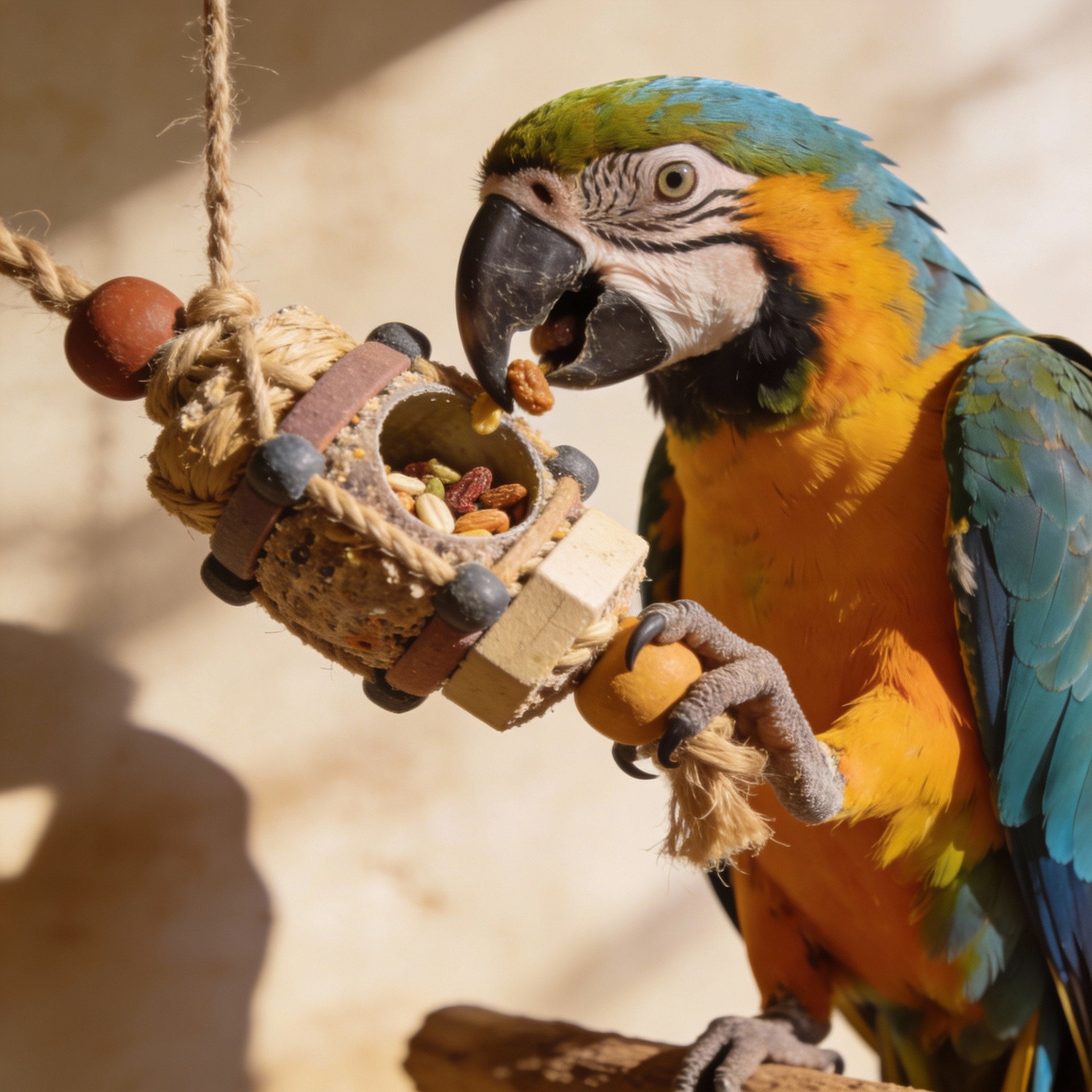
🦜 Birds Get Bored Too—Here’s Why It Matters
By One Love Animal Rescue
Keywords: bird enrichment toys, parrot boredom signs, pet bird activity, bird stimulation, pet bird mental health
If you’ve ever had a bird stare at you with those curious eyes or chatter endlessly while you go about your day, you’ve probably noticed: birds are incredibly smart.
Parrots, cockatiels, conures, and other companion birds are not just beautiful—they’re emotional, intelligent, and social beings that require mental stimulation to thrive. At One Love Animal Rescue, we’ve seen the transformation that proper enrichment can have on a bored, withdrawn bird.
Let’s explore what bird boredom looks like, why it happens, and how to fix it with engaging activities and simple enrichment tools.
💭 Why Birds Get Bored
In the wild, birds spend their days:
-
Flying long distances
-
Foraging for food
-
Exploring, climbing, shredding, and solving problems
-
Socializing with their flock
In captivity, these natural behaviors are often restricted or missing entirely, especially in birds kept in small cages with little to do. Without stimulation, birds can become bored, depressed, or even destructive.
🚨 Signs Your Bird Might Be Bored
Boredom in birds can manifest in several ways. Some signs to watch for include:
-
Feather plucking or excessive preening
-
Screaming or repetitive vocalizations
-
Pacing or circling the cage
-
Aggression or withdrawal
-
Destruction of cage accessories or self-mutilation
These behaviors aren’t just “quirks”—they’re often cries for help.
🧠 The Importance of Mental Stimulation
Mental enrichment doesn’t just prevent boredom—it promotes:
-
Better emotional well-being
-
Reduced behavioral issues
-
Stronger bonds with humans
-
Physical exercise through play
Birds that are given consistent stimulation and interaction are happier, healthier, and more confident.
🎉 Enrichment Ideas for Pet Birds
Here are some easy and effective ways to keep your bird entertained:
✅ Foraging Toys
-
Hide treats or pellets inside cardboard, shredded paper, or puzzle toys
-
Rotate food placement to encourage searching behavior
✅ DIY Bird Toys
-
Safe paper rolls, woven baskets, coconut shells, crinkle paper
-
Try threading veggies or fruit chunks onto bird-safe skewers
✅ Climbing & Chewing Options
-
Add ladders, ropes, swings, and soft wood perches
-
Birds love to shred—offer palm leaves or clean, untreated cardboard
✅ Social & Vocal Stimulation
-
Talk to your bird daily
-
Play bird-safe music or ambient sounds
-
Offer supervised out-of-cage time and window-watching
✅ Training & Tricks
-
Use clicker training or target sticks to teach basic tricks
-
Reward with healthy treats for positive reinforcement
💡 How Often Should You Change It Up?
Birds are curious by nature, so rotating toys and introducing new challenges every week or two helps prevent them from getting bored with the same setup.
Think of it like refreshing a kid’s toy box—they get excited about “new” things, even if they’re just rearranged.
🐦 Enrichment at One Love
At One Love Animal Rescue, we make sure all of our feathered residents have access to species-appropriate enrichment every day. Whether it’s foraging for hidden snacks or chewing through cardboard mazes, we believe mental stimulation is just as important as food and water.
💚 Adopt, Volunteer, or Support
Many people don’t realize how emotionally complex birds are—and how often they’re surrendered due to behavioral issues that are really just signs of unmet needs.
By supporting One Love Animal Rescue, you help provide enrichment, vet care, and compassionate second chances for parrots and other exotic birds.
📬 Stay Connected
Want more tips on bird care and enrichment? Follow us on Instagram/Facebook or visit oneloveanimals.org to learn more and meet adoptable birds ready to find their forever flocks.