

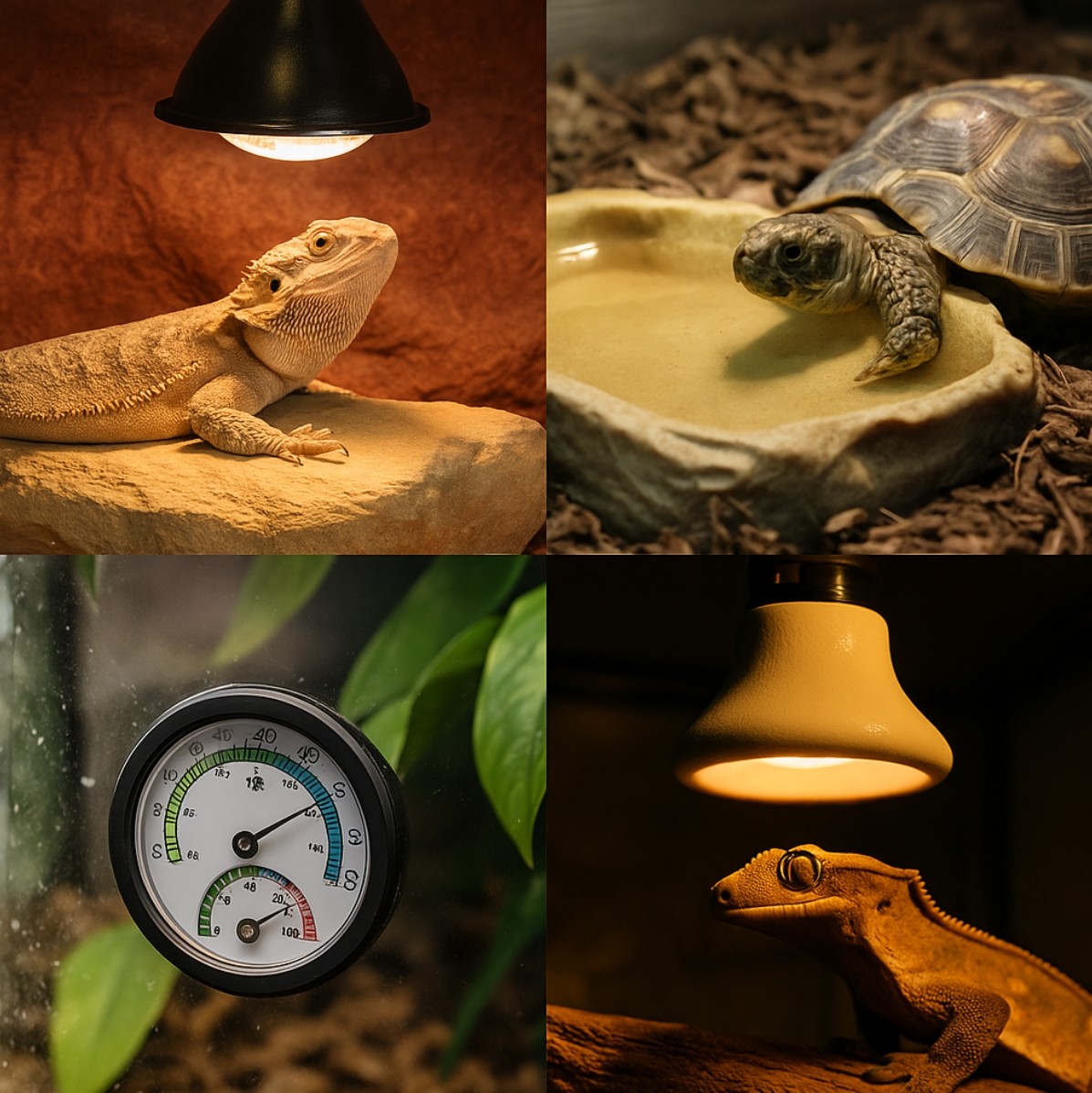
🦎 How to Keep Your Reptile Warm, Hydrated, and Healthy Year-Round
By One Love Animal Rescue
Keywords: reptile humidity control, heat lamp for lizards, turtle water needs, healthy reptile care, tortoise temperature tips
Reptiles may not ask for attention like a dog or purr like a cat, but they rely on us just as much—especially when it comes to temperature, humidity, and hydration. These cold-blooded creatures can’t regulate their body temperature on their own, which means proper husbandry is not optional—it’s essential.
Whether you’ve adopted a tortoise, turtle, lizard, or snake, here’s how to keep your reptile comfortable, healthy, and thriving all year long.
🔥 1. Temperature Control: Reptiles Need a Heat Gradient
Unlike mammals, reptiles regulate their body temperature through their environment. That’s why your enclosure must include:
-
A basking area with a heat lamp or ceramic heat emitter
-
A cooler side for when they need to retreat from the heat
-
Nighttime heating, if ambient temperatures drop too low
📏 General Guidelines:
-
Bearded dragons: 95–110°F basking zone
-
Tortoises: 90–100°F basking, 70–75°F ambient
-
Snakes & geckos: 88–92°F basking, cooler on the opposite side
👉 Always use a thermostat and thermometer combo to monitor and regulate temperatures accurately.
💧 2. Humidity Matters More Than You Think
Humidity affects everything from skin shedding to breathing. The right level depends on your reptile’s species:
-
Tortoises (like Red-Footed): 70–80%
-
Leopard geckos: 30–40%
-
Crested geckos: 60–80%
-
Snakes: Varies by species (often 50–70%)
🛠 Tips for Humidity Control:
-
Mist the enclosure daily (or use an automatic misting system)
-
Add a shallow water dish or a humid hide
-
Use substrates that retain moisture like coconut fiber or sphagnum moss
-
Seal or partially cover mesh tops to prevent excessive drying
👉 Too little humidity leads to stuck sheds and dehydration. Too much can lead to respiratory infections.
🚰 3. Hydration: It’s Not Just About a Water Dish
Many reptiles won’t drink from still water. Some, like chameleons, only drink water that drips or moves!
✅ Hydration Tips by Type:
-
Tortoises and turtles: Always provide shallow soaking trays and change water daily
-
Lizards: Offer misted water on leaves or use a drip system
-
Snakes: Clean, fresh water in a tip-proof dish, large enough for occasional soaking
You can also offer high-moisture foods (like greens or fruits, species depending) and schedule soaks or baths when necessary.
🧠 4. Seasonal Adjustments: Reptiles Notice Changes
Reptiles are tuned into seasonal light and temperature cycles. Even in captivity, changes in day length or home heating/cooling can impact their health or behavior.
To keep them stable:
-
Adjust light cycles using a timer (e.g., 12 hours light/12 hours dark)
-
Use ceramic heat emitters or heat bulbs in colder months without disrupting sleep
-
Monitor humidity with the change of seasons—indoor heaters and ACs dry the air!
💚 Rescue Tip: Healthy Habitat = Happier Reptile
At One Love Animal Rescue, we often take in reptiles who were kept too cold, too dry, or in improperly sized enclosures. These conditions lead to metabolic bone disease, dehydration, and even death—but they’re preventable.
With the right care, reptiles can live long, enriched lives, and their unique personalities will shine.
🐢 Need Help? We’re Here
If you’re considering adopting a reptile—or already have one—reach out to us! We’ll gladly help you find the right species for your setup, or answer questions about improving your current care routine.
Every warm, hydrated, healthy reptile is one step closer to rescue success.
📬 Stay Updated
Follow One Love Animal Rescue on Instagram and Facebook or join our newsletter for reptile care tips, adoption spotlights, and upcoming events.