🐾 Small changes in behavior and appearance can be early warning signs — here’s what to watch for.
By One Love Animal Rescue
Keywords: early illness signs in pets, dog behavior changes, cat not eating
Our pets can’t tell us when they’re feeling unwell, so they rely on small changes in behavior and appearance to communicate discomfort. Because many animals instinctively hide illness — especially prey animals like rabbits, birds, and guinea pigs — the earliest signs are often subtle and easy to miss.
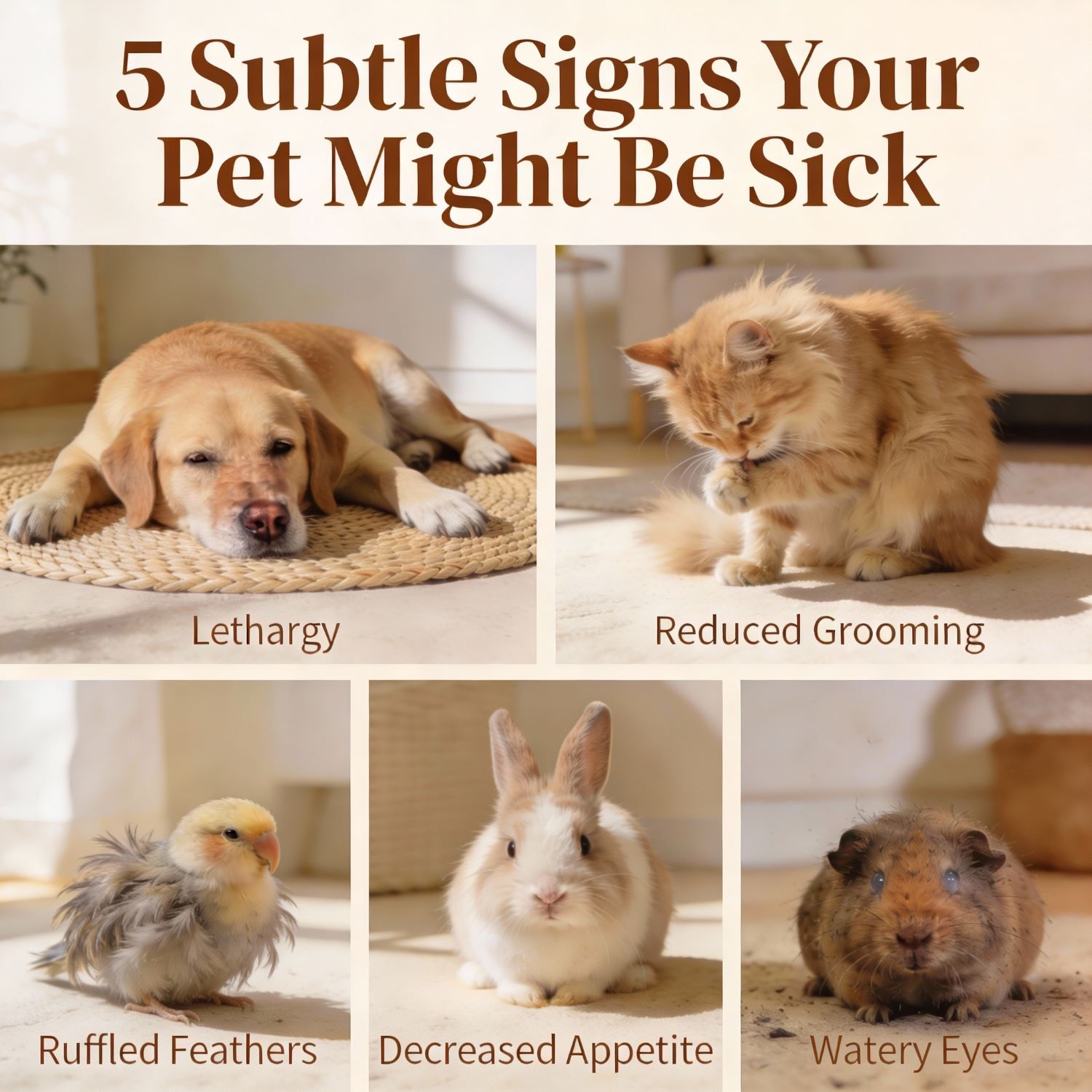
Noticing these quiet signals early can make a huge difference. Here are five subtle signs your pet might be sick, including several that appear in animals of all shapes and sizes.
😴 1. Lethargy or Low Energy
A noticeable drop in energy is one of the most common early indicators that something may be wrong. While every pet has lazy days, ongoing tiredness or withdrawal from normal activities can signal discomfort, pain, or illness.
Watch for:
-
Sleeping more than usual
-
Less interest in play or interaction
-
Reluctance to move or exercise
-
Seeming “checked out” or withdrawn
If low energy lasts more than a day or two, it’s worth paying attention.
✨ 2. Dull or Unkempt Coat
Your pet’s coat often reflects their overall health. When animals don’t feel well, grooming can become less of a priority, leading to visible changes over time. Because coat changes tend to happen gradually, they’re often overlooked.
You may notice:
-
Dull, dry, or greasy fur
-
Flaking or dandruff
-
Matted areas
-
Cats grooming less than usual
-
Increased shedding
Coat changes can be linked to stress, nutrition issues, parasites, or internal health concerns.
🍽️ 3. Decreased Appetite
A change in eating habits is one of the most important early illness signs in pets. Even small shifts — eating more slowly or leaving food behind — can signal discomfort or underlying health issues.
Pay attention if your pet:
-
Skips meals
-
Eats noticeably less
-
Stops eating favorite foods
-
Takes much longer to finish meals
For small animals, especially rabbits and guinea pigs, not eating can become serious very quickly and should never be ignored.
🪶 4. Ruffled Feathers or Changes in Posture
Birds and prey animals are masters at hiding illness, which makes posture and body language especially important to notice. A pet that appears fluffed up or hunched may be conserving energy because they don’t feel well.
Signs to watch for include:
-
Constantly ruffled or fluffed feathers
-
Hunched posture
-
Sitting at the bottom of an enclosure
-
Reduced vocalization or interaction
If these behaviors persist, they may indicate illness rather than normal rest.
👀 5. Watery, Cloudy, or Irritated Eyes
Healthy eyes should be bright, clear, and free from discharge. Eye changes are often one of the easiest early warning signs to spot and can progress quickly if left untreated.
Watch for:
-
Excess tearing
-
Discharge or crusting
-
Redness or swelling
-
Cloudiness
-
Squinting or sensitivity to light
Eye issues can signal infection, injury, allergies, or broader health problems.
🧡 When in Doubt, Trust What You Notice
You know your pet’s normal routine better than anyone. Even subtle changes matter. Catching illness early can lead to faster treatment, less discomfort, and better outcomes.
If something feels off, it’s always okay to ask questions or seek veterinary care.
💌 Stay in the Loop
Want more pet health tips, rescue education, and adoption stories?
Stay connected with One Love Animal Rescue to learn about:
-
Animal wellness and prevention
-
Adoptable pets
-
Community events
-
Ways to support rescue animals
Together, we can help pets live healthier, happier lives. 🐾🧡
🧡 Help Us Save More Lives
Many rescue animals arrive with hidden medical needs that require immediate care. Your support helps provide veterinary exams, diagnostics, and treatment for animals who need it most.